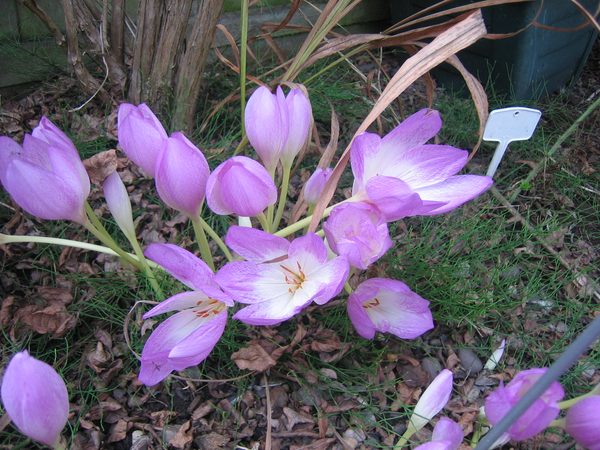
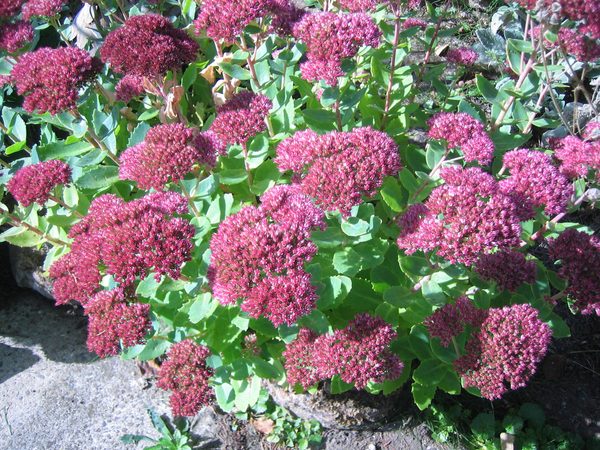
The meeting in September was a talk on flowers beginning with S, and included herbs, shrubs, summer annuals, perennials, trees and plants from other countries. As the climate seems to be changing we all need to look at the plants we try to grow and maybe try others from hotter climes to see if they will succeed in our current weather.
The Easy Walkers and Strollers groups met at Langley Mill Canal Basin to walk together along the Erewash Canal in beautiful sunshine enhancing the Autumn colours.
Whilst the Strollers took the shorter route, the Easy Walkers continued along the canal to Shipley Lock.
We all met up at the New Horizon Church Coffee Shop, which is well worth a visit.
“Songs you enjoyed when 16” was the theme of September’s Singalong.
Our thanks go to Christine and Dave Vincent who led the session, which was very much enjoyed by all. We continue to find different themes and always welcome members suggestions. Indeed Octobers meeting features music chosen by two of our members.
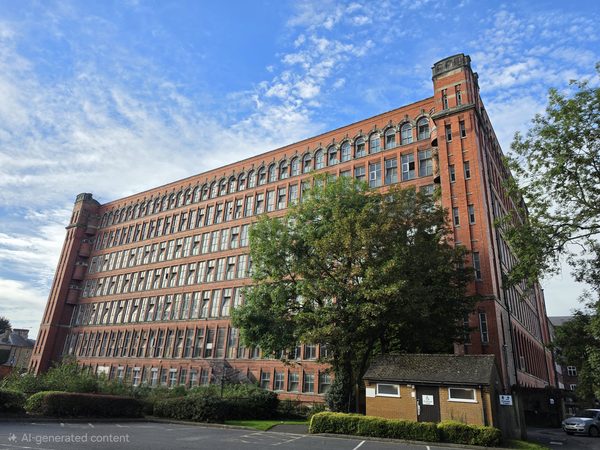
On this sunny morning, 10 U3a walkers assembled at Riverside Gardens in the historic town of Belper. Dominating the area is Strutt’s North Mill (UNESCO) built in 1804.
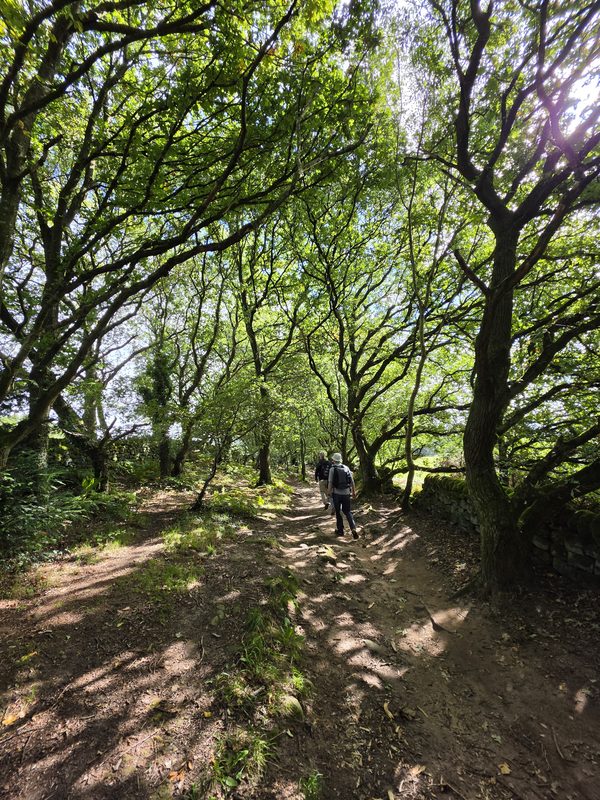
Having crossed the Derwent we began a steady ascent out of the town. the Derwent valley coming into view. The Mid Shires Way took us onto the Roman road below Chevin Hill, a tree lined path linking Belper to Strutt’s second mill town of Milford. Near the start of North Road, the trees open up to give a panoramic view of Belper. This was Strutt’s vision for his town, and in the main this is how it remains today. Near the end of this section there was a crashing sound, broken branches and leaves fell and one of our group was hit – by a golf ball. A cry of ‘fore’ was heard, followed by two more projectiles. The first ball had hit John on the knuckle of his right hand, with no serious damage fortunately.
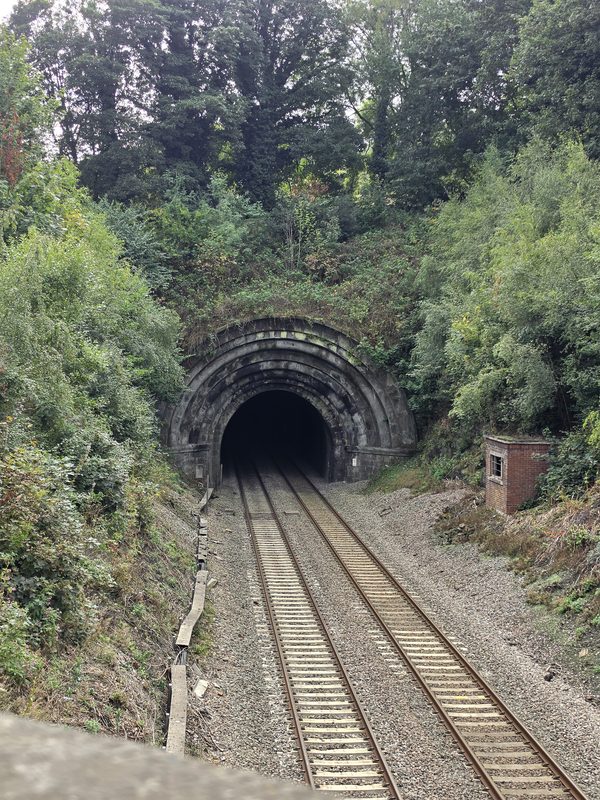
Emerging at the top of Sunny Hill, lunch was taken after first investigating the very tall tower, constructed for waste removal from the railway line below, or as a sighting or semaphore tower. Descending the steep hill, we followed the course of the Derwent back towards Belper, stopping to view the Milford tunnel constructed by Stevenson in 1838. This grade 2 structure takes the Midland Main line under the Chevin hill.
An enjoyable walk 6.8 miles through Strutt’ country.
Visit to the Shugborough Estate in Staffordshire on Wednesday 23rd September
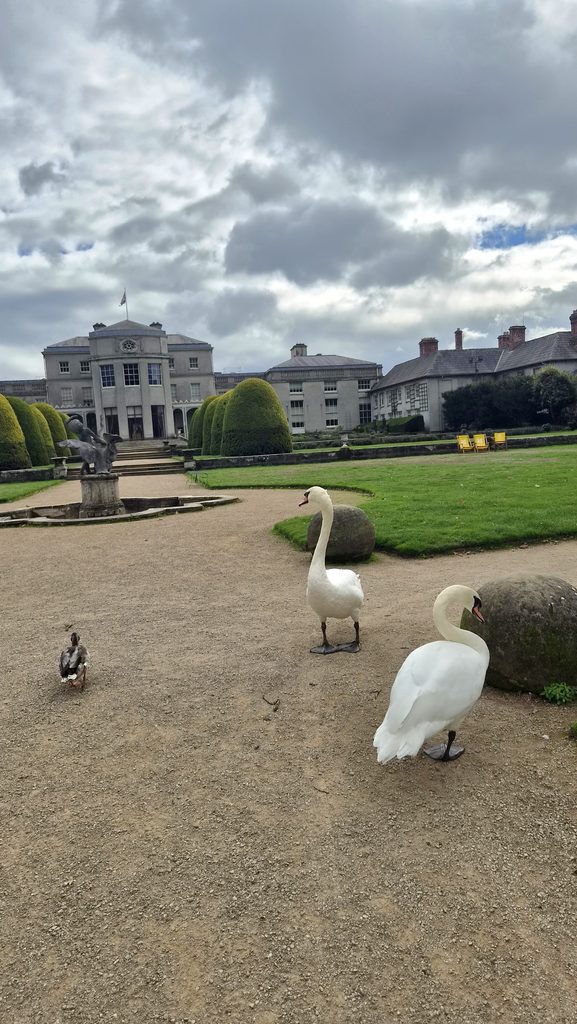
It was the usual 8.30 am departure time from Hucknall Market place for one of the shorter journeys of the year to the Shugborough Estate in Staffordshire. Driven by one of Vallances newly recruited drivers, Steve, we were safely at the destination by 10.00 am. However, as we were ready to leave the coach we were met by the sound of the fire alarm going off in one of the main buildings which delayed us very briefly and was certainly a new experience for the group!!
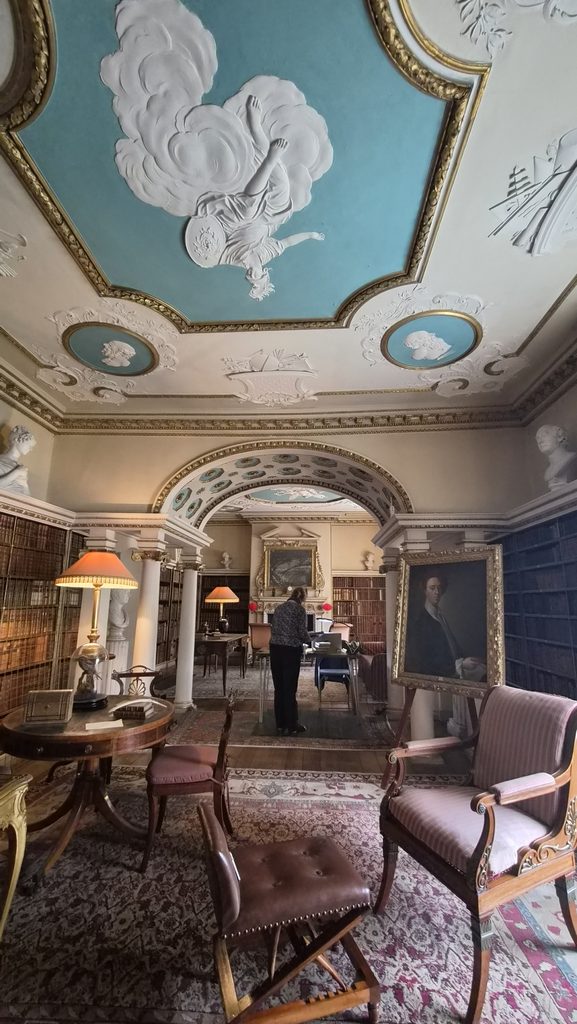
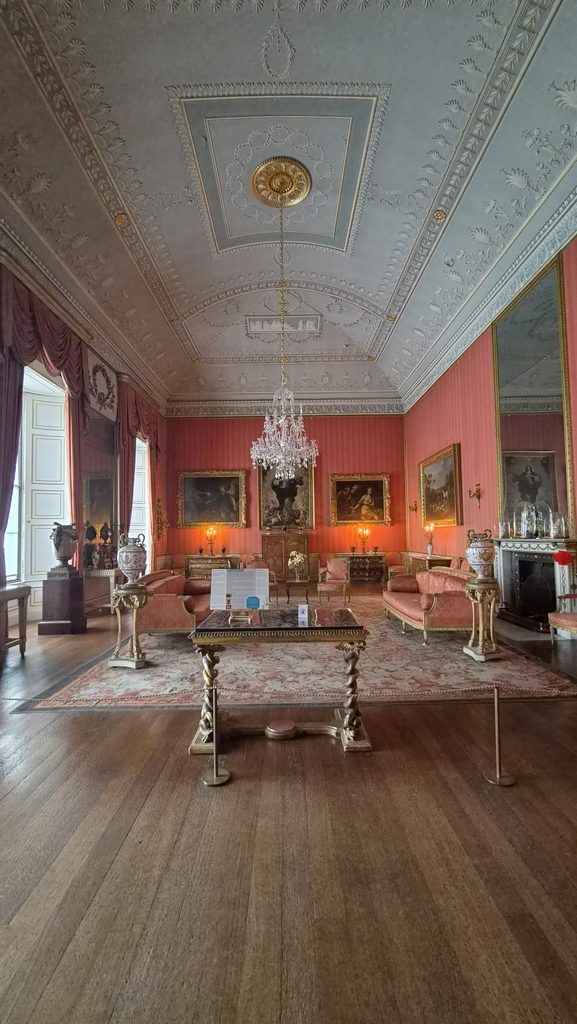
The Estate is vast and with the weather turning increasingly sunny we began our day. Once described as “A Staffordshire paradise, a rich blend of landscape monuments and architecture” Shugborough is indeed a very impressive estate. The House is a Georgian mansion of global treasures, complete with servant’s quarters and the apartments of Patrick Lichfield the fifth Earl and fashion photographer. The gardens and pleasure grounds feature a walled garden, arboretum and terraces all along side Europe’s widest yew tree. The Park Farm is home to to a tea room and a working model farm with Longhorn cattle and Southdown sheep. Added to the beautiful walks, gift and book shops and Mansion restaurant there was much to explore over the day.
Departing promptly at 4.00 pm we were back in Hucknall for 6.00 pm after a very enjoyable day out.
October takes us to Fountains Abbey in North Yorkshire.