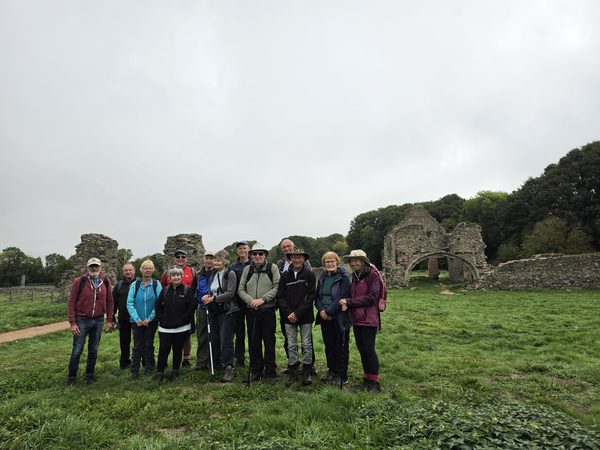
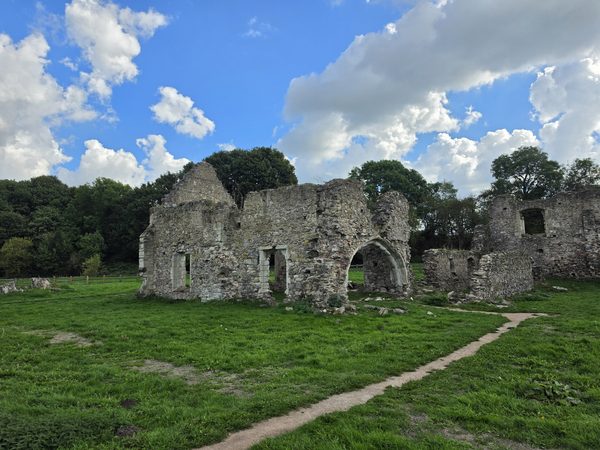
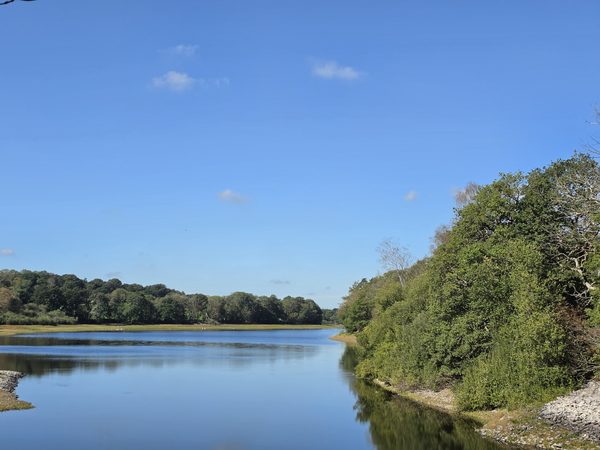
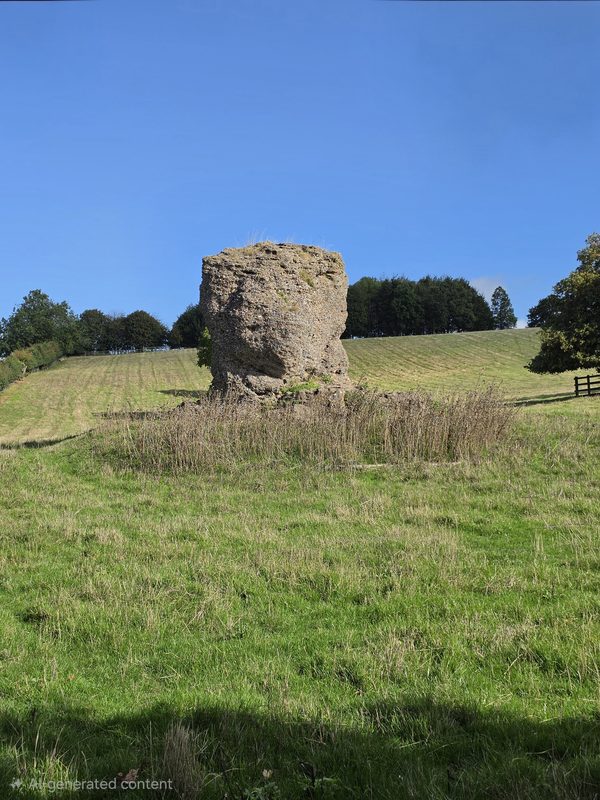
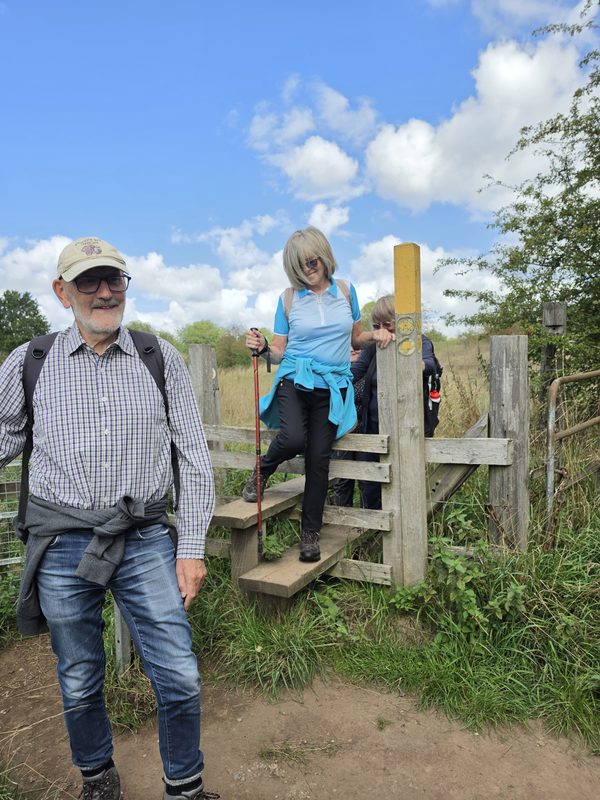
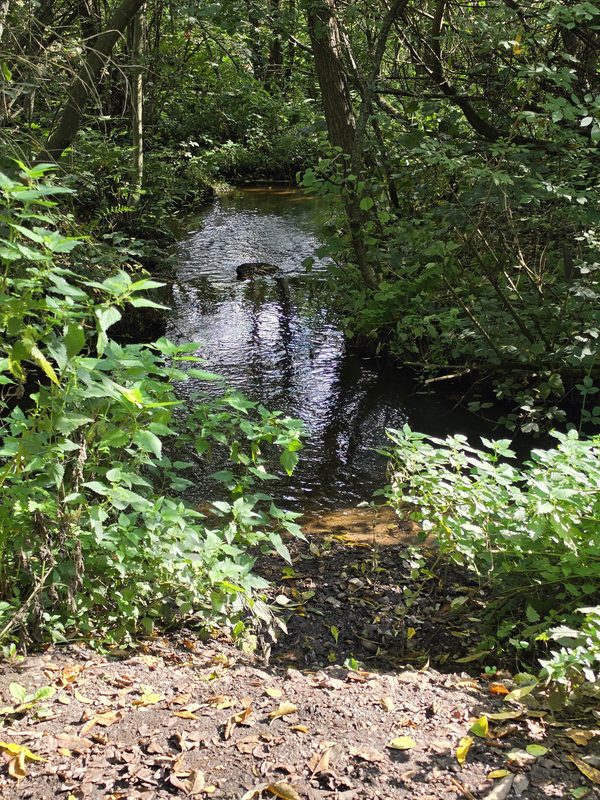
19 walkers took on the Steve Evens ‘Ashover Challenge’ today in excellent walking conditions. An exhilarating 8.5 miles (e.g. hilly) route with wide ranging views and 1350 ft of up.
It had a distinctly farming flavour as we negotiated several fields of cows with calves.
Ashover is worth a visit with 3 pubs and a free car park.
Thanks to Steve for planning and navigating today.
Doors open 6.30pm, Disco 7.00pm, Meal 8.00pm, Disco 9.00pm, Close 10.00pm
Bar open.
Hog Roast to include – A selected free range pig, sage and onion stuffing (made with Lincolnshire sausage meat) Bramley apple sauce, bread rolls and superb crackling.
Tickets on sale at the May and June monthly meeting, payable by card, cash or cheque.
At the Science Group meeting on Friday 17th April, members enjoyed a fascinating illustrated talk entitled The City of Bees, given by Sandra Hart, a Nottinghamshire u3a member and experienced beekeeper.
Sandra invited us to see the beehive as a bustling city, where thousands of individual bees work together in a highly organised and efficient society. She explained the different roles within the hive, including the queen, workers and drones, and showed how each contributes to the survival and success of the colony.
The talk covered the lifecycle of honeybees, their remarkable methods of communication, and the complex cooperation that underpins hive life. Sandra also highlighted the crucial role bees play in pollination and the wider environment and touched on the challenges facing bee populations today.
Illustrated with objects and examples drawn from practical beekeeping experience, the presentation was both informative and accessible, prompting plenty of interest and questions from the group. It was an engaging and thought‑provoking talk that was much appreciated by members.
Following the break, the meeting continued with two of our regular ‘3-minute talks’ – Alan Newton with the Wind-Up Radio (together with some interesting facts about the inventor Trevor Bayliss) and Anne Murray who led us through the invention and development of the sewing machine. Anne is well known locally as a singer, and her apt final note was about the man who we most associate with sewing machines – Isaac Merritt Singer. This rounded off another enjoyable and varied Science Group session.
Next Month: 15th May is our visit to The Museum of Medical History in Leeds
Briefly: Meet at 8.45am for the coach departure of 9.00am from Ogle Street
On 16 April, the walk set off from St Mary’s Church, Greasley, a medieval parish church rebuilt in the late 19th century after mining subsidence. Paths through Colliers Wood, once shaped by deep coal mining and later reclaimed as green space, led towards Eastwood Hall Park, former grounds of the Walker family and later coal‑industry headquarters. Passing Durban House, built in 1896 as Barber Walker mining offices linked to D. H. Lawrence’s family, the route continued along Victoria Street to the D. H. Lawrence Birthplace Museum, his 1885 home. It then followed Walker Street, where the Lawrence family later lived, reached Beauvale Board School, opened in 1878 and attended by Lawrence as a child, before returning on footpaths to Greasley.
On our return some of us paid a visit to ‘The Parish Oven’ café behind the church hall.
The name brings back memories of the local expression that someone with:
‘a mouth like a parish oven’ is imagined as having a mouth that is constantly open and working – talking non-stop and often loudly.
It’s usually humorous or mildly critical, not a compliment.
The photograph is a relatively new mural on Victoria Street Eastwood near the museum.
21st May Walk
I’m away and Mark Thornley the long walks group leader has volunteered to lead a local walk. Details will be sent to the group nearer the time.
Silverhill Car Park to Pleasley Headstocks via the Teversal Trail. Returning via the Skegby Trail.
A 9 mile circular, undulating in parts but generally an easy-going walk on traffic-free trails, starting at Silverhill Car Park, passing the ‘Testing for Gas’ miners’ statue, continuing along the Teversal Trail to lunch at the Pleasley Headstocks and museum, then returning via the Skegby Trail — and the bonus was a nice sunny day.
The walk highlights included:
Mining heritage landmarks, including the “Testing for Gas” statue.
Long, traffic-free sections on the Teversal Trail and Skegby Trail.
Pleasley Headstocks industrial heritage site and museum.
Great in dry, bright weather with plenty of open views
5th May Walk
An 8-mile walk is planned to start from Ashover
Meet at the Ashover Parish Hall free car park (please park at the far end)