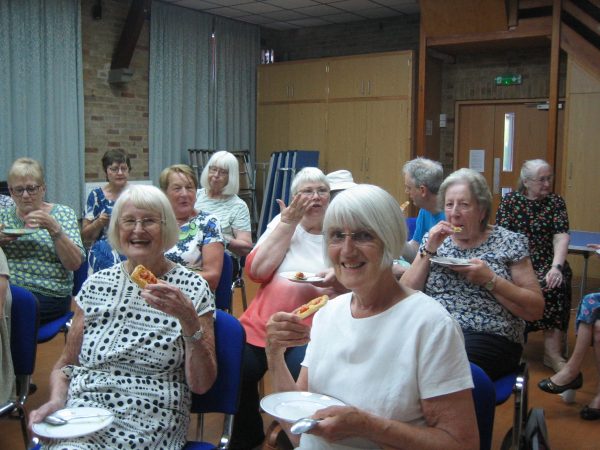
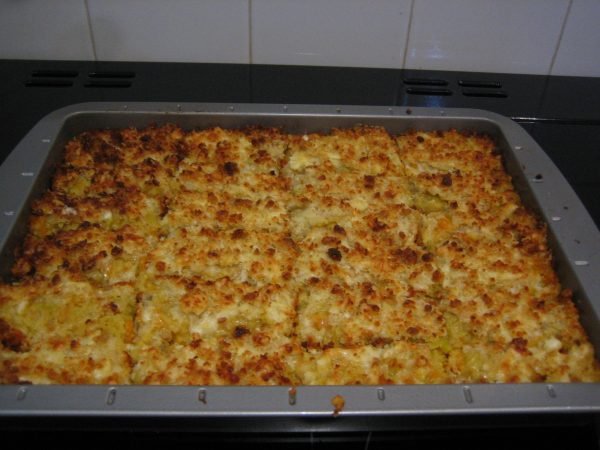
A smaller group than usual attended June’s meeting, probably due to the hot weather, but those who did attend enjoyed the usual three recipes, and as ever there were no leftovers!
Thank you to those who helped in the kitchen, organising the room and serving out the plates of food, we cannot do it without you!
There will be no meeting in July, but as August has 5 Mondays, we can fit one in on Monday 24th August.
This group is currently full, but if anyone else is interested please contact me with your name and I will put you on the waiting list.
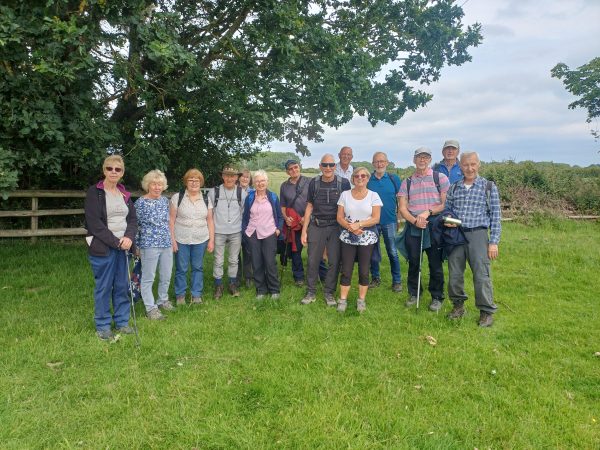
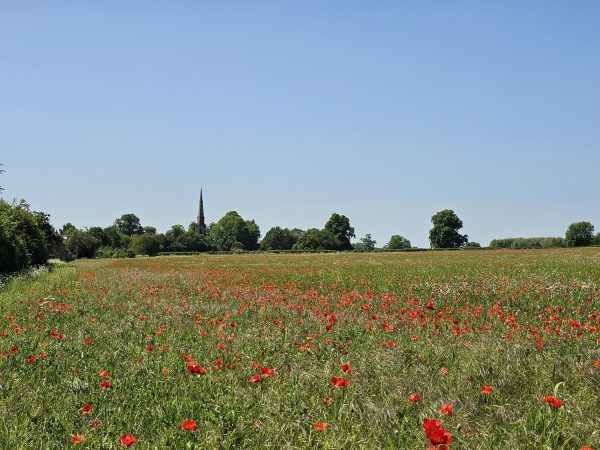
Our June walk took us to the east of Nottinghamshire, and the rolling countryside between the villages of Car Colson and Kneeton. Starting from the green at Car Colston, we headed west over the A46 (using the bridge!) and stopped to look at an abandoned farm, deciding that the roof tiles at least looked good for re-use.
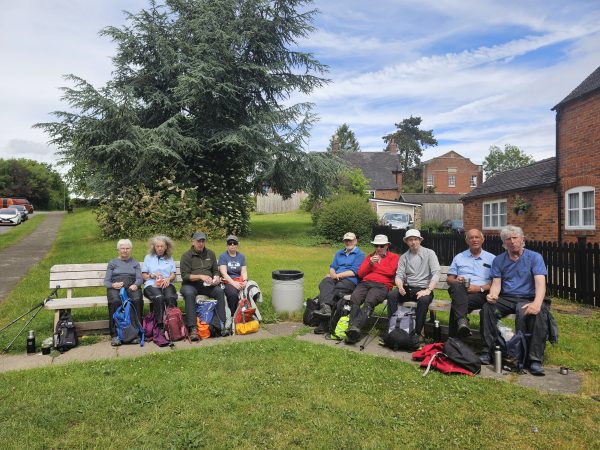
We paused at the quiet hamlet of Kneeton, for our coffee stop outside the church. From here, it is a short walk steeply downhill to the River Trent, but we carried on, heading back over the fields to our start point. At our picnic stop, a few of our walkers were attracted by an abandoned hut (ideal for shepherds or a B&B) with convenient old garden chairs.
Back at our start point, we had drinks in the Royal Oak, a pub for around 200 years with a vaulted brick ceiling.
Thanks to John Beharall and Steve Lawrence for planning this walk – our July walk will be at Foremark Reservoir, near Melbourne.
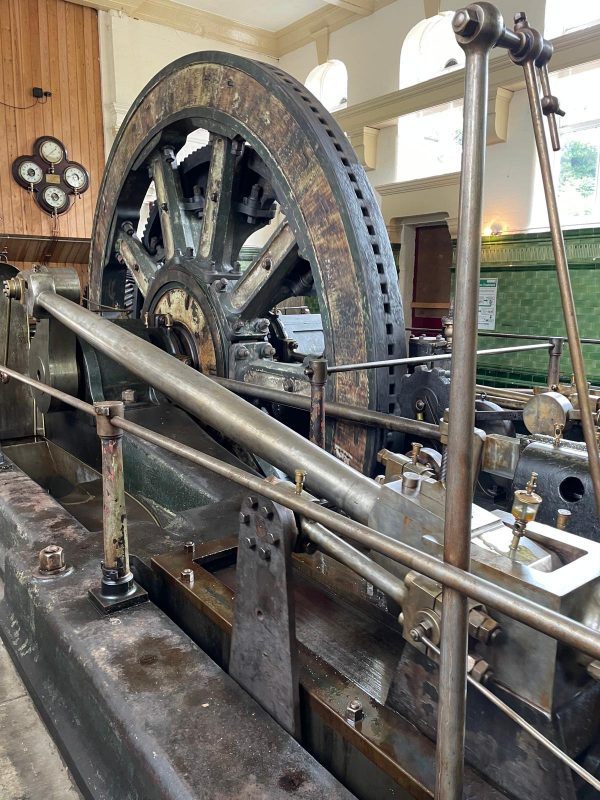
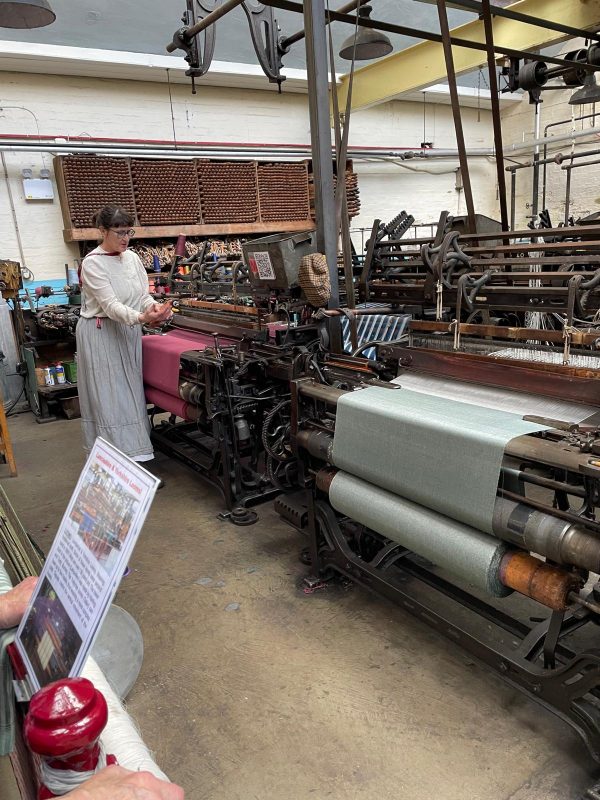
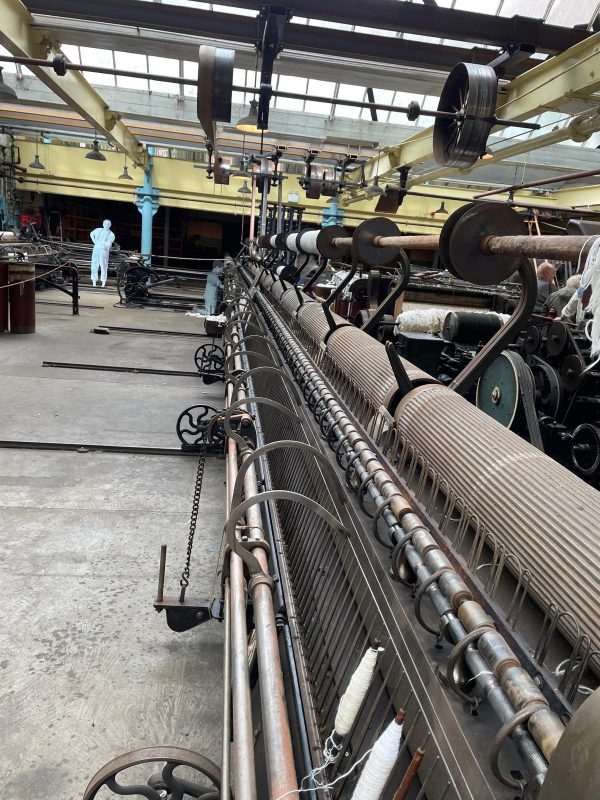
This month we were on a visit to Matlock Bath and Sir Richard Arkwright’s Masson Mill which is the water powered cotton spinning mill on the river Derwent.
The mill was built in 1783 and is part of the World Heritage Site. It was originally powered by a water wheel but turbines were installed in 1928 until hydroelectric generators in 1995.
Masson Mill is now a museum. Members were split into group to be taken round the museum on guided tours. The guides were amazing, full of knowledge about Arkwright, machinery, mill workers and helped us understand the building.
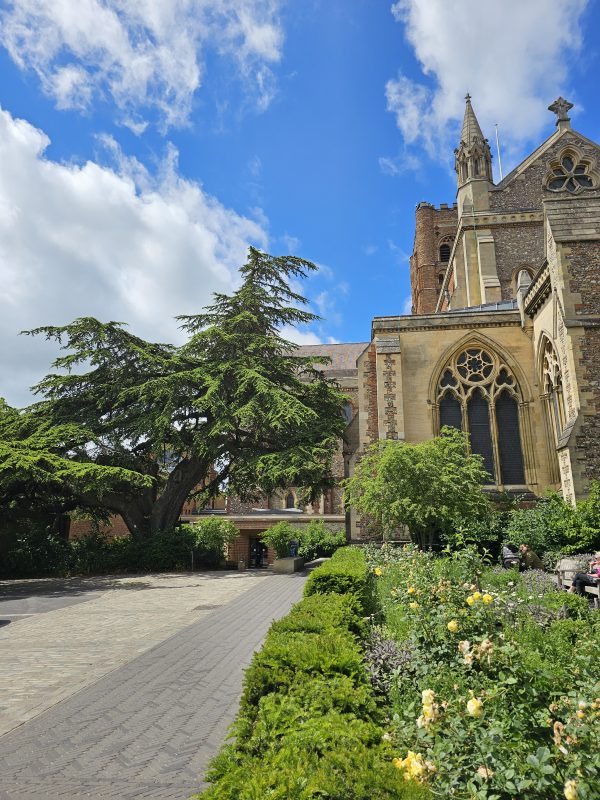
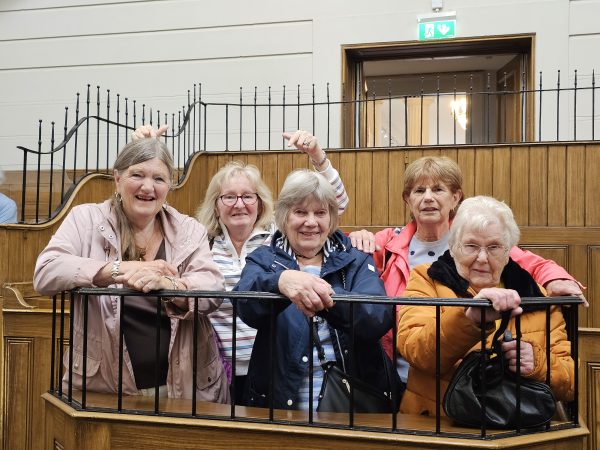
On 12th June, our group enjoyed a fascinating visit to the historic city of St Albans, exploring its rich heritage and many notable landmarks. The day began at St Albans Cathedral, an impressive structure with origins dating back to Norman times. Its magnificent architecture, stained glass windows, and peaceful atmosphere provided an excellent introduction to the city’s long history.
From the cathedral, we visited the Abbey Gateway, a striking medieval building that once formed part of the great abbey complex. We then continued to the St Albans Clock Tower, the only surviving medieval town belfry in England, which remains a distinctive feature of the city centre.
A visit to St Albans Museum offered insights into the city’s development through the centuries, while the nearby Verulamium Museum showcased the area’s remarkable Roman heritage. The exhibits, including mosaics, pottery, and artefacts, vividly illustrated life in the ancient city of Verulamium.
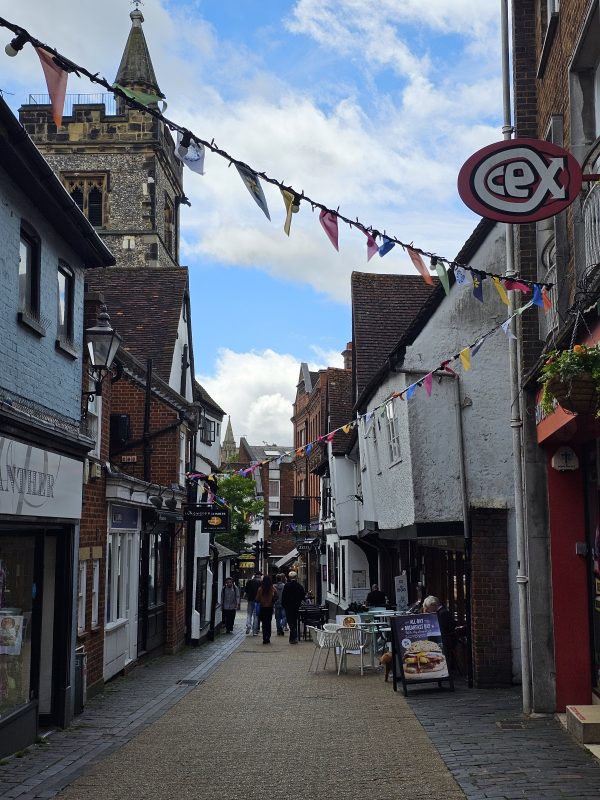
Afterwards, we enjoyed a leisurely walk through Verulamium Park, taking in the lakes, open green spaces, and the remains of the Roman walls. The visit concluded with time along the bustling High Street, where historic buildings, shops, and cafés combined to create a lively and attractive atmosphere. It was an enjoyable and informative day for all participants.
The walk on 2 June commenced from Staunton Harold Visitor Centre on a pleasant day, providing ideal conditions for exploring the varied landscapes around the reservoir and surrounding countryside.
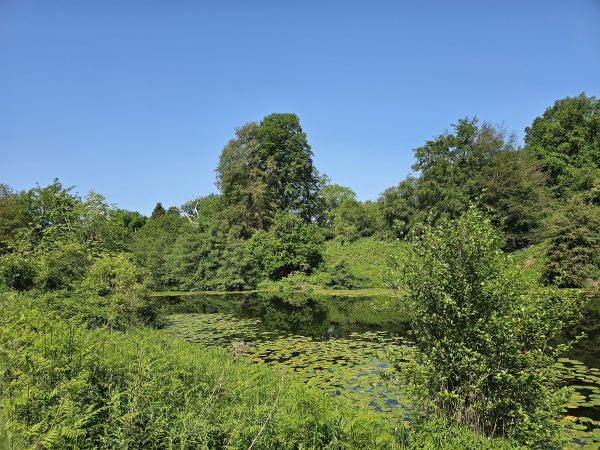
Leaving the visitor centre, the group followed the path alongside Staunton Harold Reservoir, enjoying expansive views across the water before reaching White Leys. From there, the route continued through Calke Park Nature Reserve, where the rich mix of woodland and open habitats offered plenty of interest. A short distance further brought us to the tranquil setting of Betty’s Pond, a popular spot for wildlife.
The walk then passed through the Calke Abbey Grounds, skirting Deer’s Cote Spinney and continuing towards Standley’s Barn. The route followed the edge of Poker’s Ley’s before entering the village of Ticknall, where walkers enjoyed views of the historic village and surrounding countryside.
Leaving Ticknall, the group entered Staunton Woods, following well-maintained woodland paths beneath a canopy of mature trees. The route then crossed Gorsey Leys, an attractive area of open countryside offering excellent views across the estate.
The final section returned to Staunton Harold Visitor Centre, completing a varied and enjoyable circular walk featuring reservoirs, woodland, nature reserves, parkland, and village scenery throughout.