A Defibrillator for JGC and u3a

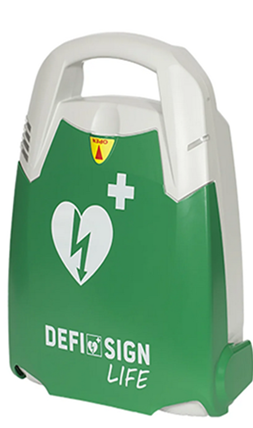
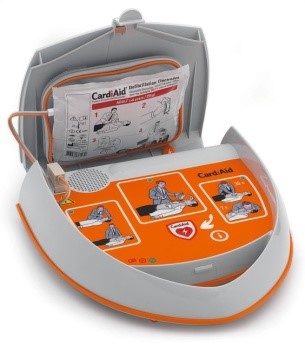
We are frequent uses of the John Godber Centre and many of us are ‘of a certain age’. Following on from a member suggestion, the committee have agreed to raise part of the cost of a portable defibrillator to be located inside the JGC building. It will be fully automatic and similar to the one shown below.

Any excess proceeds from the Christmas Film show will be donated to the defibrillator fund as will the alternative Christmas card donations. A collection bucket will be at the Christmas Lunch and at the film show.

Once the defibrillator is purchased a demonstration of how to use it will be arranged.

An Alternative Christmas Greeting suggestion

A group of our members have suggested an alternative to writing and exchanging Christmas Cards between u3a friends.

The suggestion is that, instead, we each make a donation towards the joint u3a /John Godber Centre defibrillator fund.

If you wish to do this a collection point will be in the John Godber Centre hall at the Christmas lunch on Monday 6th December 2021 and at the film on Wednesday, 8th December

Thankyou

Medicine Blister packs

Thank you to all our u3a members who made a brilliant start in collecting medicine blister packs.

Regretfully, the pharmacies that were part of this recycling project are no longer collecting the packs so please do not bring us any more. Many thanks.

Message from the Chair

November means we are well into the autumn months. An obvious sign all around us are the interestingly coloured leaves that slowly drop from trees and shrubs to blow about and carpet the ground. But why do some plants shed their leaves before winter? It turns out autumnal leaf drop is a form of self-protection. While evergreen plants in cold climates have thick waxes and resins to protect their leaves from freezing and fracturing, deciduous species generally have thin leaves that are susceptible to cold temperatures. By the end of summer, many leaves are insect-eaten, diseased, or otherwise damaged. Dropping them gives the plant a fresh start in the spring, and the nutrients from the decaying leaves are recycled to help grow the next leafy generation.

Some tree facts:
There are over 60,000 species of trees worldwide but in the UK we have just 32. A mature tree can absorb more than 48 pounds of carbon dioxide each year, removing and storing the carbon while releasing the oxygen back into the air. They also prevent soil from eroding into our waterways, reduce storm water runoff, and lessen flood damage.
Some of you may have read that the u3a are hoping to plant 5000 trees in celebration of the 40th anniversary of the UK u3a movement.

u3a 40th Anniversary Woodland – Individual Trees
Choose to buy individual trees which will be planted to create our u3a Anniversary Woodland and help support the environment, wildlife and climate. Every tree sold makes a difference and helps the movement get nearer its target of planting 5,000 trees by the end of the planting season in Spring next year. You will receive a specially designed certificate to download as a memento of your contribution to the environment and to the u3a movement. Please select the number of trees you would like to buy then click customise to add your name to the certificate. *Please note the u3a Anniversary Woodland is located on the England/Wales border in the Brecon Beacons National Park. The trees – two-year old saplings – will be native, deciduous trees; a mix of native species will be appropriate to the chosen site. Your purchase includes planting the tree(s), plus 12 years of maintenance to ensure the tree(s) become established.
For individual members choosing to donate £7.50 for each tree, this is the link for further information and purchasing details. https://u3abrand.org.uk/catalogue/item/u3a-40th-anniversary-woodland-individual-trees

…and finally another type of tree

Hucknall Parish Church Christmas tree and Wreath ‘Competitions’
We are preparing an entry into both of these events.
Christmas Trees will be on display from Wednesday 1st December to Sunday 5th Decenber. The wreaths will be on show from Saturday 4th to Saturday 18th n December.

When in town please do call in the church and have a look.

David Rose: Chairman

How to Spot a Scam

Ask yourself the following questions. If you answer yes to any of them, there’s a good chance it’s a scam.

1. Have you been contacted out of the blue?
Cold calls or unexpected emails or messages should raise suspicion, especially if you’re asked to give personal or payment details. It’s very unusual for legitimate organisations to contact you and ask for sensitive information if you’re not expecting them to. If you’re not 100% convinced about the identity of the caller, hang up and contact the company directly.

2. Have you been asked to share personal details?
Never share your personal details with anyone if you can’t confirm they are who they say they are. Phone scammers will often try and get valuable personal data from you, and they can use this to steal your money, or even to use your identity to use fraudulently.

3. Are you being asked to keep it secret?
It’s important you can discuss any agreements with your friends, family or advisors. Asking you to keep quiet is a way to keep you away from the advice and support you need in making a decision.

4. Are you being pressured to make a decision?
Fraudsters often try to hurry your decision making. Don’t let anyone make you feel under pressure – it’s OK to take a break and think things through if you’re not sure. Sales staff should always give you time and space to make an informed decision; anyone who tries to rush you should not be trusted.

5. Are there spelling and grammar mistakes?
Emails or messages littered with spelling and grammar mistakes are a scam giveaway. Legitimate organisations will rarely, if ever, make spelling or grammatical mistakes in their emails to you because they’ve been put together by professionals and checked before they’re sent.

David Rose